People Are Talking

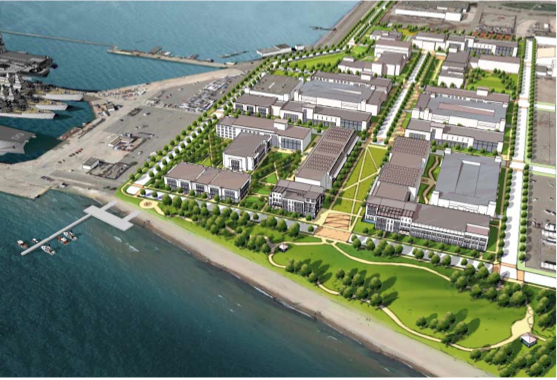
Conceptual drawing for buildout of Berkeley Lab 2nd campus at Alameda Point

People are talking—talking enthusiastically about the possibility that the University of California’s Lawrence Berkeley National Lab will build its second campus at Alameda Point.  But while many of us have been talking enthusiastically amongst ourselves, now there’s an opportunity to let the Lab know firsthand how we feel.

The Lab has chosen sites in Alameda, Albany, Berkeley, Emeryville, Oakland and Richmond as short-list finalists and will soon be meeting with each contender.  How well they are received will play an important part in their final decision.  The meeting with the City of Alameda is Wednesday, July 13.  Invite your friends and neighbors for a public conversation with Lab representatives at the Auctions by the Bay Theater at Alameda Point, 2700 Saratoga Street.  The meeting starts at 7 p.m., but you can also attend a city-hosted barbeque beforehand at 6 p.m. across the street from the theater.  Pick up your lawn or window sign there and continue to voice your support for bringing the Lab to Alameda Point.

Not to be confused with the Lawrence Livermore Lab, which focuses on classified security issues, the Lawrence Berkeley Lab conducts unclassified research on solving global problems in human health, technology, energy and the environment.  For instance, the city’s recent Alameda Point sustainability workshop included a presentation on the Lab’s Carbon Cycle 2.0 initiative in which the Lab will provide its resources to create innovative ways of reducing out-of-balance emissions of carbon into the atmosphere.
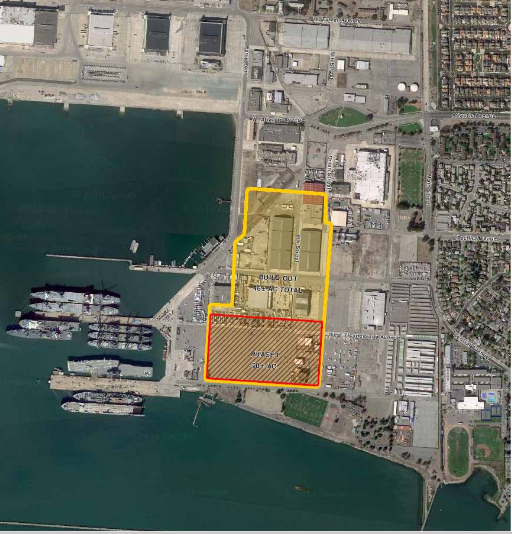
first phase in orange, second phase in yellow

The City of Alameda is offering the Lab a parcel of land at Alameda Point at no cost.  The city has also enlisted a development team, Mission Bay Development Group and Edgemoor Real Estate Services, for the Lab that has previous experience working with a UC Research Campus (Mission Bay).  The team understands the parties’ long-term needs and has a proven track record in public/private partnerships.  They have a special master infrastructure team to handle utility installation and roads, as well as the Lab’s construction needs.

Other than the Richmond Field Station owned by UC, the other contenders are private entities that have chosen not to make public their offers or negotiations.  We need to show the Lab that we have an entire city behind our proposal, and we would welcome their phased expansion plans on the 46-acre site and work with them every step of the way.  Alameda Point is on the upswing with approved and pending development plans.  We have a great city, a great plan, and we can demonstrate unified, widespread public support to help close the deal.

The Lab will make a public announcement on its preferred site in November 2011.  Let’s give ‘em something to talk about after July 13.

Originally published in Alameda Sun.

Voice your support on the City of Alameda Facebook Page.

Related reading:  Bring Berkeley Lab 2 Alameda Point and Alameda Point Info and here.  I also wrote about this topic in March 2011.
Posted in Alameda Point, Economic Development | Tagged , | Comments Off on People Are Talking

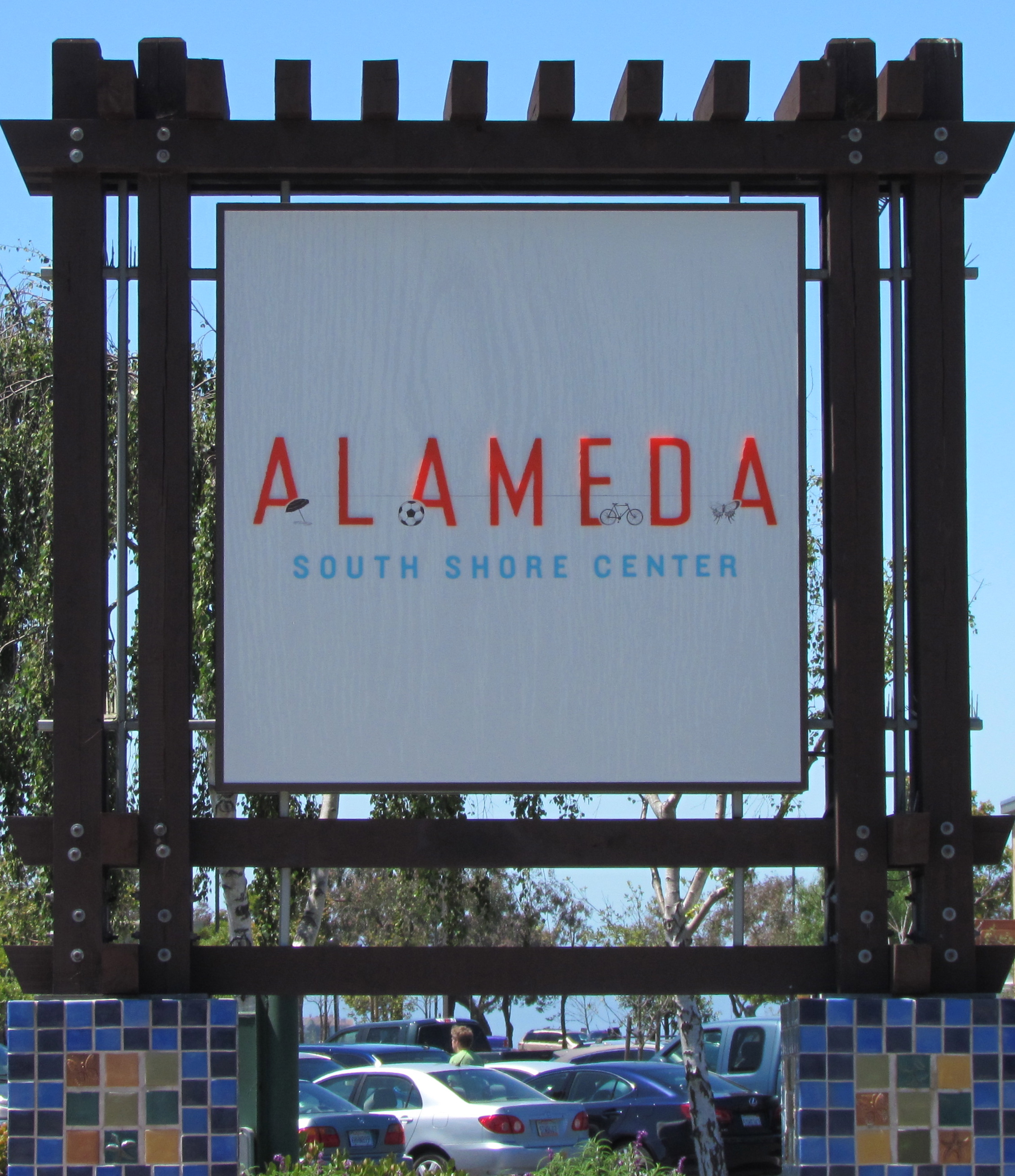
“South Shore Center” is back!

Updated July 4.

During the open comment period of the June 21 city council meeting, the manager for Alameda Towne Centre, Brad Wick, walked up to the podium to officially announce that the new owner, Jamestown Properties, listened to the community and will be renaming the shopping center Alameda South Shore Center.  The surprise announcement was followed by an immediate outburst of applause.

After surveying shoppers, Jamestown found that 91 percent preferred the name South Shore.  In fact, the survey revealed many shoppers never stopped calling it South Shore, even though the name had changed almost a decade ago when the previous owner, Harsch Investment Properties, started its remodel.

Manager Brad Wick said their company came to understand the name’s local historical significance and the importance of using the shopping center’s waterfront location as a marketing asset.

The new old name became official on July 4.  Their new tag line will be “Come shop at the beach.”  It kicks off a comprehensive rebranding and revitalization program.

An online poll was conducted in January.  I wrote about this topic in February.

Posted in Economic Development, Quality of Life | Tagged , , | Comments Off on “South Shore Center” is back!

Oh Say, Can You Sea Scout?

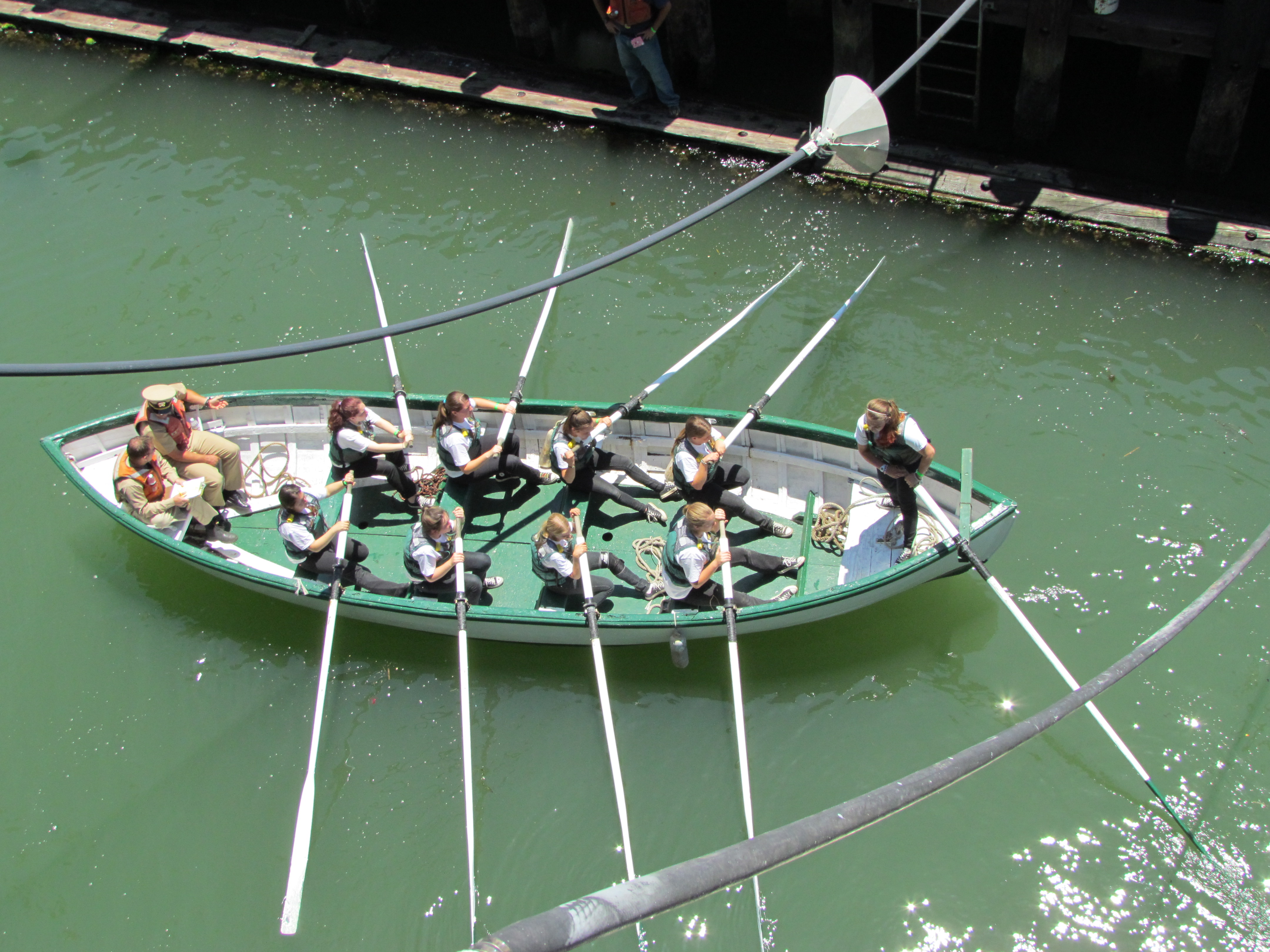
Sea Scouts being towed out for rowing competition time trials.

Some scouts go to camp.  Others go to sea.

Over Memorial Day weekend, the largest Sea Scout event in the United States took place at Alameda Point.  But I was surprised to learn that Alameda, flush with its yacht clubs, Navy retirees, Coast Guard personnel, and waterfront activities, had one of the smallest contingents at the event.  Both of Alameda’s Sea Scout leaders and two of the four scouts who attended do not even live in Alameda.

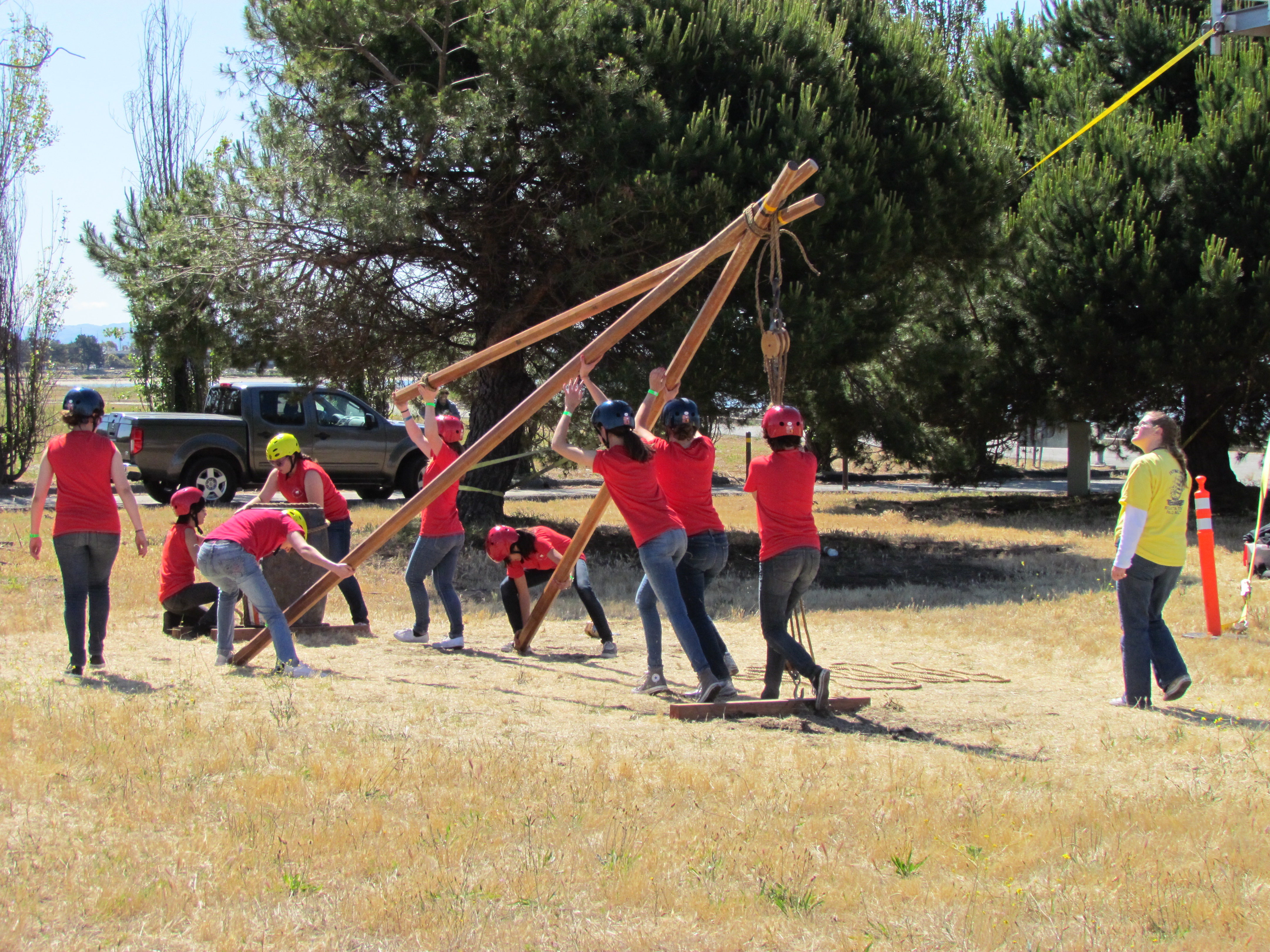
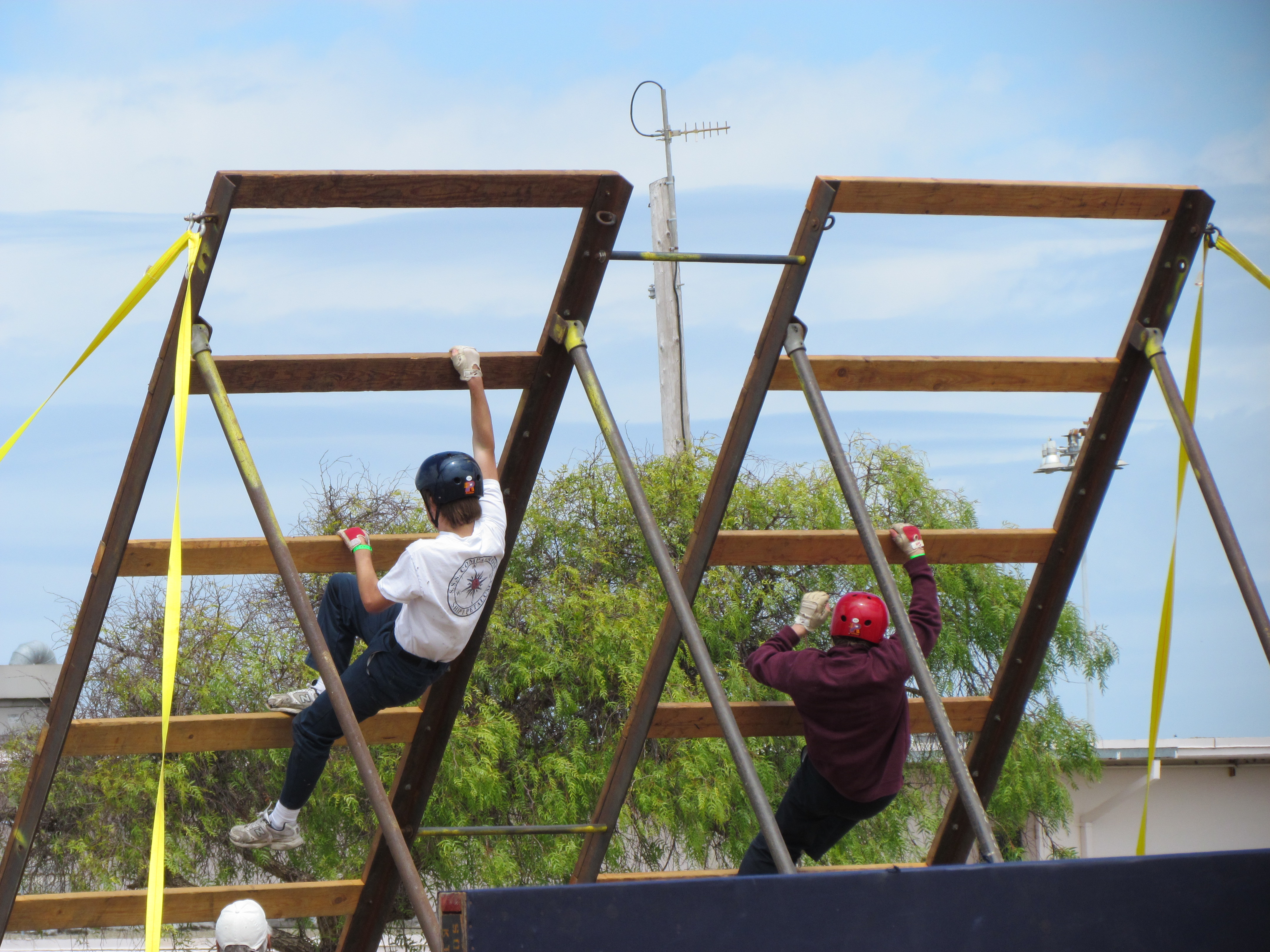
Spending three nights on the USS Hornet, 400 Sea Scouts from around California gathered to compete in fun and challenging nautical exercises.  It was an action-packed weekend for all involved.  An obstacle course for field competition was built at Enterprise Park. The scouts climbed, jumped, rolled, hoisted a scuttlebutt (water barrel), rode a bosun’s chair, and tied knots.  They also participated in regattas—a series of row boat races.

Sea Scouts is a branch of the Boy Scouts of America.  They are celebrating their 100th anniversary this year.  Sea Scouts is a coed program for teenagers that teaches navigation, sailing, rowing, vessel maintenance, engine mechanics, mariner history, finding one’s bearings at sea, the semaphor flag signaling system, and how to guard against water accidents.  Sea Scouts even learn to plan and prepare meals during long cruises.

While emphasizing how much fun scouting is, kids and adults alike agreed that Sea Scouting also teaches discipline, leadership, and organizational skills.  All of the mentoring adults I spoke to are committed to the Sea Scouts because they themselves were once scouts and they want to pass on an experience that made such a positive impact on their lives.

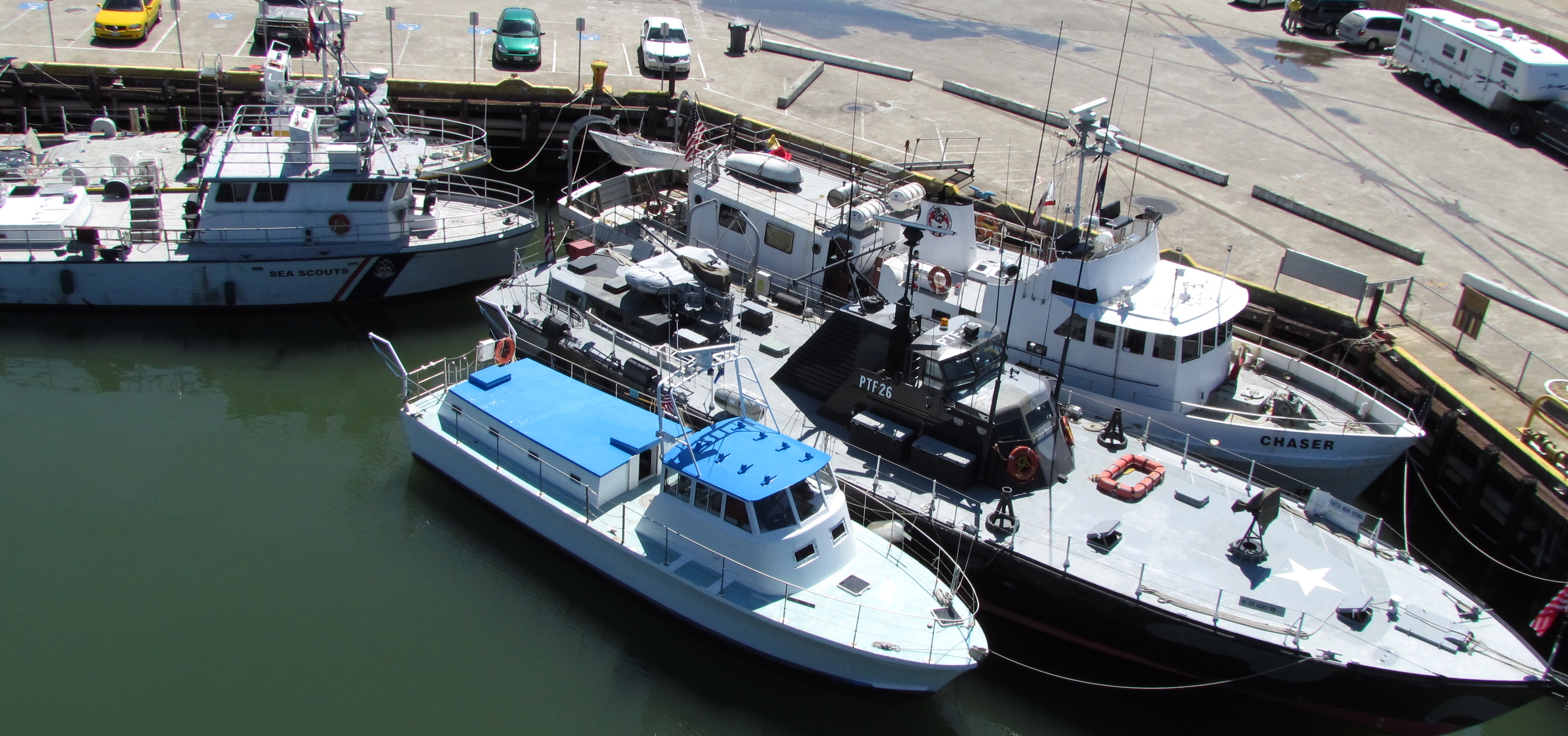
Sea Scout units are called ships, rather than troops.  Many communities have their own boats, often former Coast Guard or Fish & Game boats that have been donated.  Some “ships” adopt fellow scouts who don’t have a boat of their own to join them for training.  Alameda’s boat, the Sea Fox, is berthed at Ballena Isle Marina.  The Sea Fox and its scouts will spend 10 days on the Delta this summer.

Some of the Sea Scout ships docked at Alameda Point

The skipper of the Alameda crew said others are encouraged and welcome to join or to stop by and see what they do.  They meet twice a week: Wednesday evenings at Alameda Marina, 1815 Clement Street, and Saturdays aboard the vessel.  You can learn more about other units and service or training opportunities through the Sea Scout website.

Originally published in the Alameda Sun.          Slideshow is on Flickr.

Posted in Alameda Point | Tagged , , | Comments Off on Oh Say, Can You Sea Scout?

Plan the Future of Alameda Parks

TWO WORKSHOPS:

On Wednesday, June 15, 2011 6:30 PM–8:30 PM, help the city plan the future of your parks, community gardens, and urban agriculture. Share your ideas at this Community Workshop.  Meeting Location:  Recreation Center, Leydecker Park-Bay Farm Island, 3225 Mecartney Road, Alameda, CA 94502

On Thursday, June 16, at 6:30 there will be another Community Workshop at Mastick Senior Center, 1155 Santa Clara Avenue.

You can voice your support for Camping in Alameda

From the city’s website:

“The City is working with the community to create an Urban Greening Plan including both a Parks Master Plan and Urban Farm and Garden Master Plan.  The Plan will assess how well our parks are serving our residents, explore opportunities for community gardens and urban agriculture, and create a strategy for improving our parks and for greening our City.

“The City has already conducted a telephone survey; the results of which will be shared with the community at the scheduled  workshops.”

Read the full story on the urban greening grant program that provided Alameda with the funds for the creation Alameda’s Parks Master Plan and Urban Farm and Garden Master Plan on The Island.

Excerpt:

The City of Alameda beat out a host of other local governments, planning agencies and nonprofits to win a $250,000 state urban greening grant. The grant funds will be used to generate a comprehensive urban greening plan that city officials hope to have ready by September 2012.   “Alameda receives urban greening grant,” by Heather Lyn Wood, on The Island, September 16, 2010.

Posted in Parks and Open Space | Comments Off on Plan the Future of Alameda Parks

I Know This For CERT’n

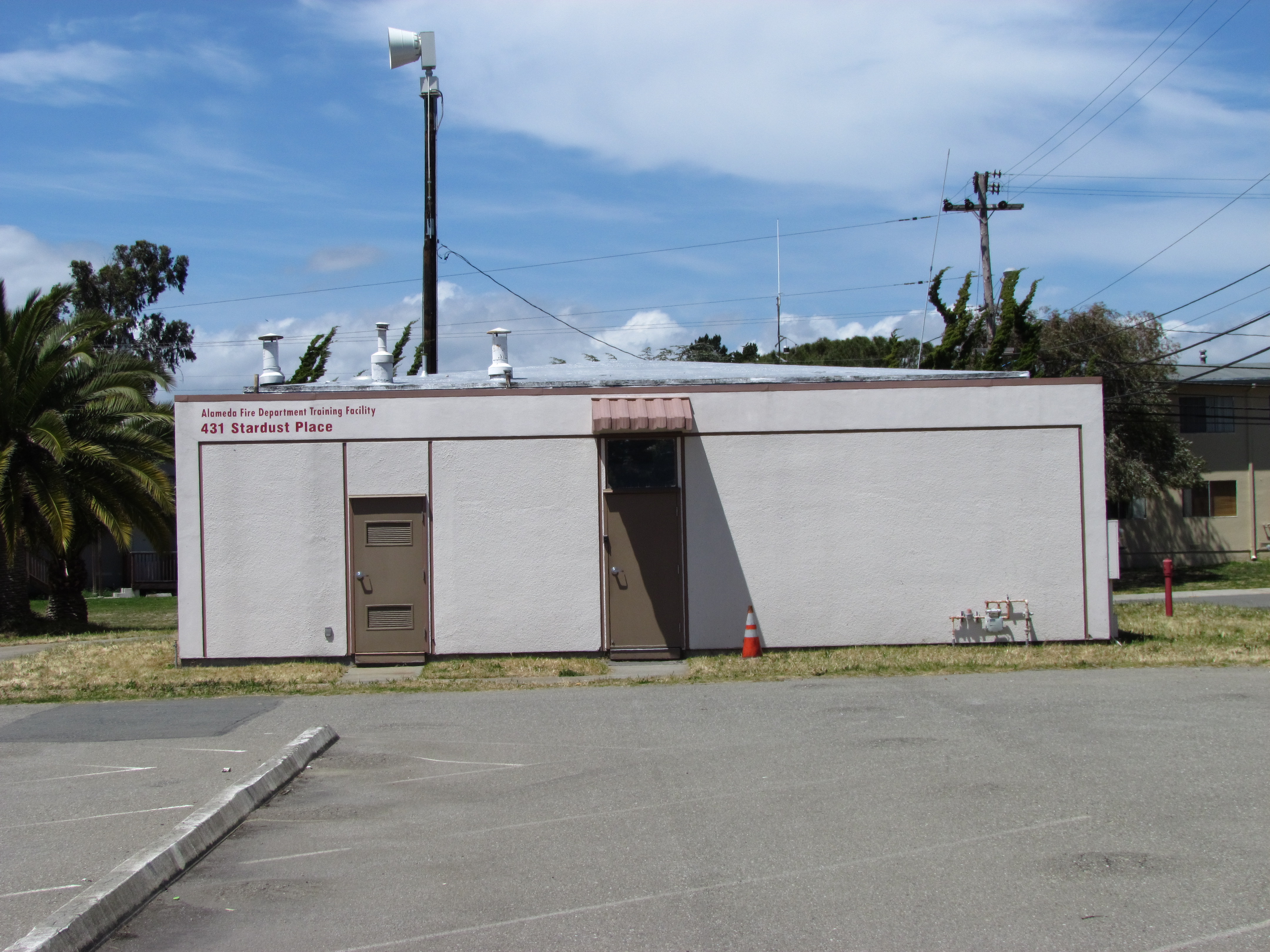
Fire Dept. Training Facility at Alameda Point

In one of the smallest buildings at Alameda Point I learned some big lessons.

On five evenings and one Saturday in April, I signed in at the Fire Department Training Facility at 431 Stardust Place for my Community Emergency Response Team (CERT) training.  CERT’s a program run by our fire department to train residents in everything from household safety to assisting emergency personnel in the event of a major disaster.  The goal of CERT is to know how to take care of yourself in order to take care of others.  We learned the basics of how to do the most good for the most people in an emergency.

Practicing fire suppression

During one class, I watched in awe as Fire Captain Bob Buell, my favorite instructor, took control of a crowd within seconds of a mock disaster.  He showed the importance of initially assessing a situation for danger, while keeping yourself safe so you can then help others. Marveling at his broad knowledge of fire theory, hazardous materials and trauma care, I thought if I could grasp only a fraction of what he knows, I might one day be able to save a life or a structure—even my own!

There’s an old saying that “having no plan is a plan to fail.”  The CERT course showed me that having a plan without practicing it is equally doomed to failure.

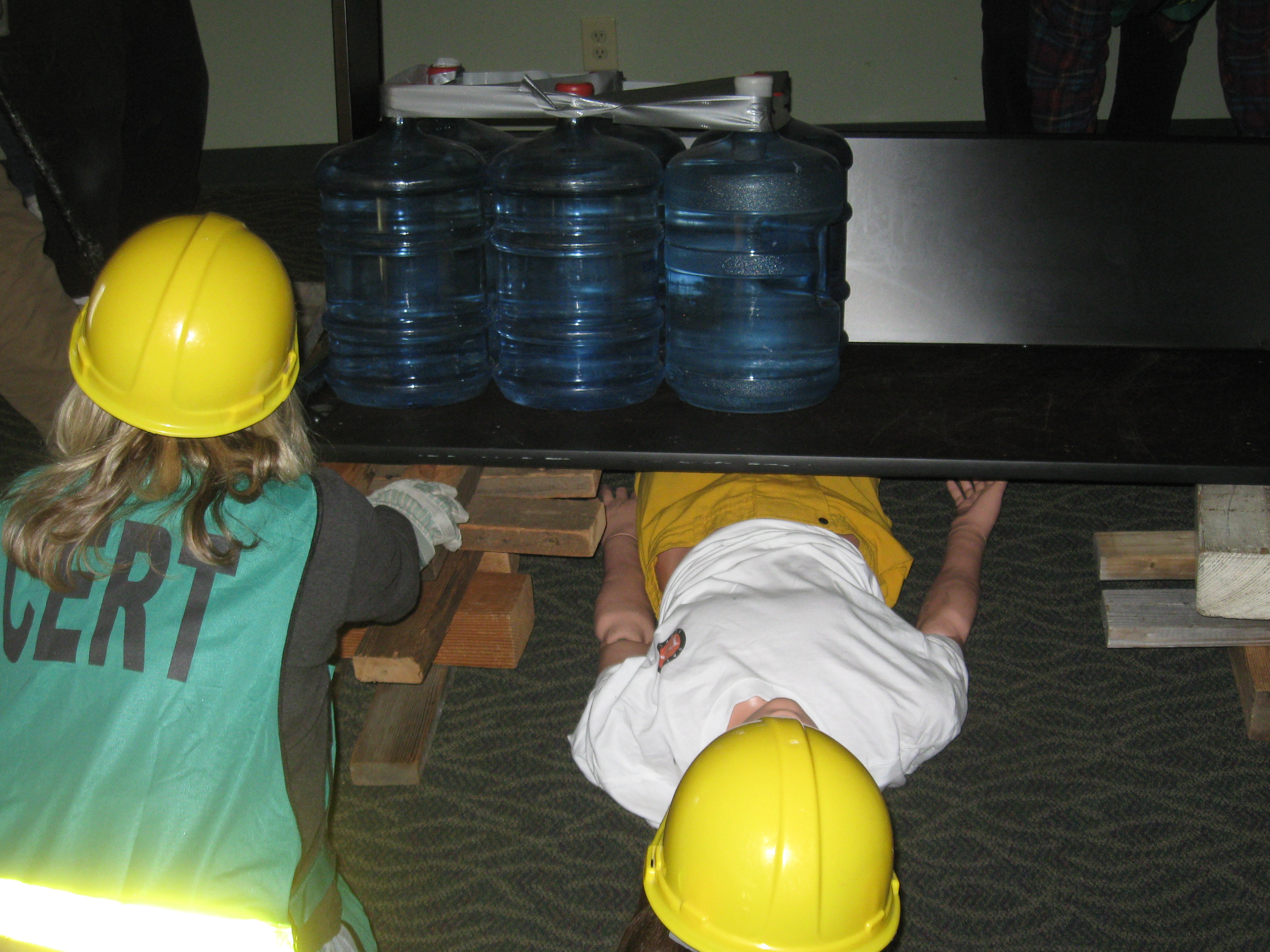
Practicing using levers and blocks, called cribbing, to lift fallen "wall" and remove trapped person

We used fire hoses, fire extinguishers, bandages, and gas meters.  We carried an injured person, learned how to use levers and wedges to lift a 400-pound “wall” that had fallen on someone, and performed basic medical assistance.  We learned how to triage the injured—to make quick decisions about who gets prioritized for treatment.  We learned the appropriate questions to ask and how to check for injuries before moving someone.

During one outdoor exercise, led by Captain Buell, that simulated an explosion within a building, we learned the importance of giving firm and authoritative instructions to the “dazed victims” straggling out, while also asking them the right questions so we could inform the emergency personnel who would soon be arriving.

CERT graduates are welcome to either join or form a neighborhood/fire district team that will work together if the need arises.  Fire Station #4 at Harbor Bay has two fully outfitted CERT trailers for CERT members to use in the event of a disaster.  The business park and community associations donated the trailers.

The next CERT courses are scheduled for August and October/November.  You can enroll in these free classes through our fire department.  I know for CERT’n it’ll be worth your while.

Originally published in the Alameda Sun.   See slide show below.

This slideshow requires JavaScript.

Posted in Alameda Point, Emergency Preparedness | Tagged , , , , | 2 Comments

Sea Scout Regatta at Alameda Point

On Saturday, May 28, as I was riding by the USS Hornet, I came across the 59th Annual Ancient Mariner Regatta.  I was quite impressed!

This competitive series of events took place over Memorial Day weekend, from Saturday to Monday, and it is the largest of its kind in the U.S.  Four hundred Sea Scouts bunked aboard the USS Hornet.

The Sea Scouts is a coed branch of the Boy Scouts of America.

I was so impressed, I put together this slideshow with some of the highlights of the weekend.  Here is more information about the Alameda Sea Scouts.

Posted in Alameda Point | Tagged , , , , , | 1 Comment

Day Trip to Alameda on TV

Webster Street

On May 19, CBS Channel 5’s half-hour “Eye on the Bay” featured the City of Alameda.

The top-notch production included visits to local restaurants, Alameda history, and amusement venues, and revealed the summer treat created here and shared around the world, how and why Alameda became an island, the difference between the Posey Tube and other tunnels, and what makes the water at Alameda Beach unique.

You can catch most of the show on the CBS website, or by clicking these links individually:  Segment #1, Segment #2, Segment #3.  Isle say that you’ll enjoy every minute of it.

Posted in Quality of Life | Tagged , , , , , | Comments Off on Day Trip to Alameda on TV

BayEx 2011 at Alameda Point

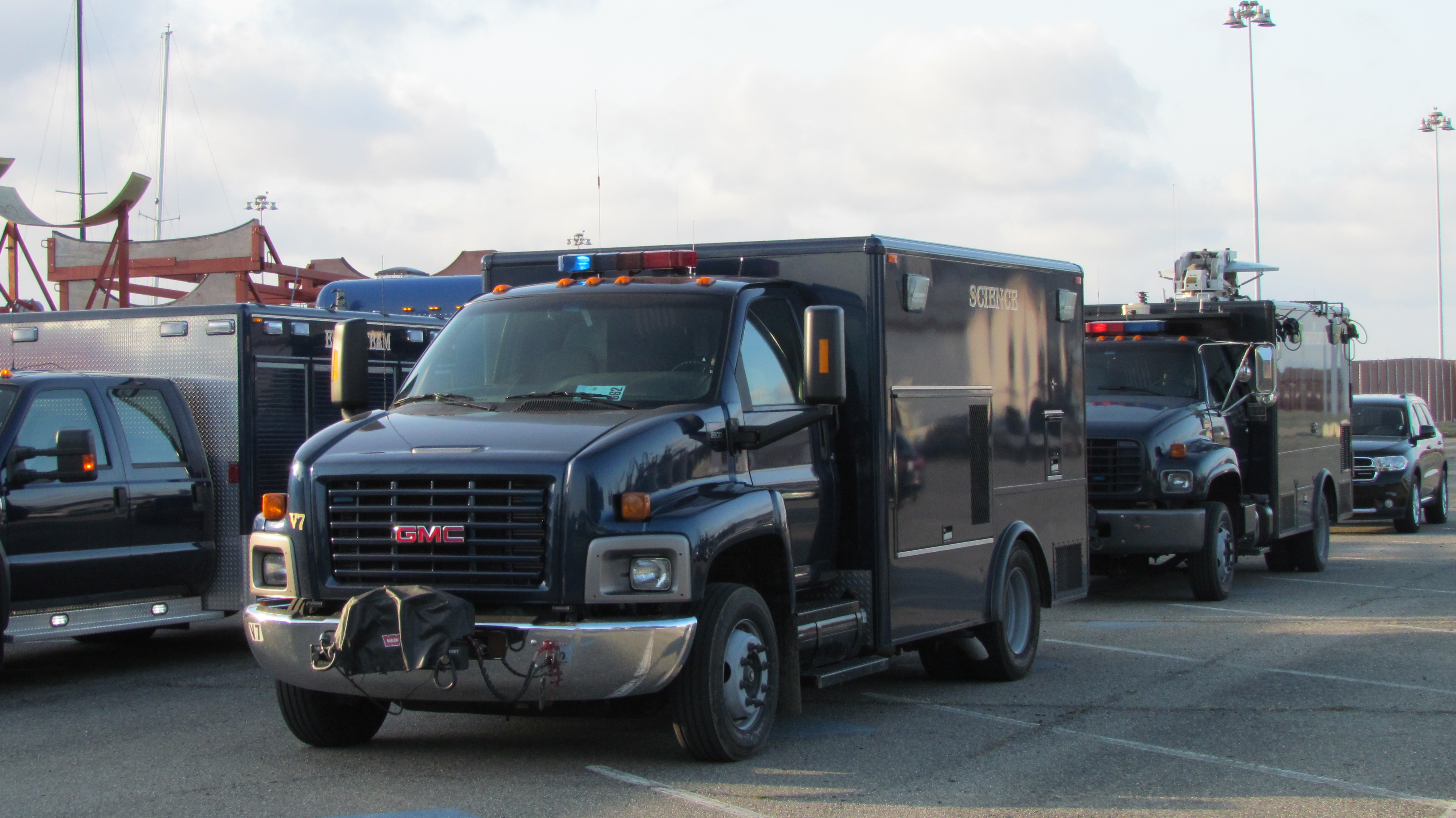
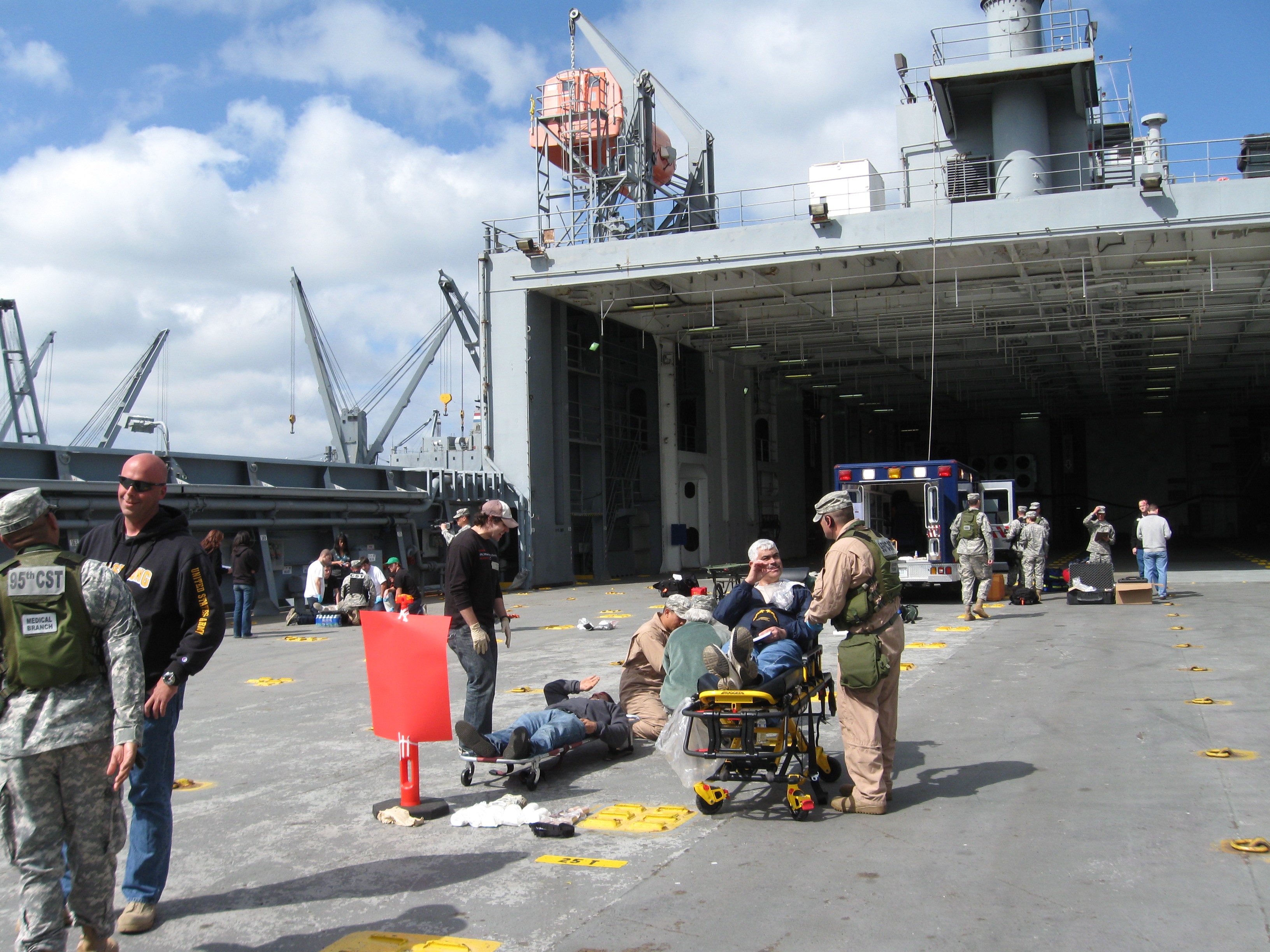
It was Saturday evening, April 9, when I noticed a row of what looked like special operations vehicles parked along the piers at Alameda Point.  No two were alike, and each was clearly marked with a different label such as “Command,” “Entry,” “Science,” or “Communications.”  I couldn’t help but ask one of the men dressed in army fatigues what was going on.  He told me that he was part of a full-time National Guard unit—the 95th Civil Support Team (WMD)—that was practicing ways to respond to a catastrophic medical emergency.  I was invited to attend the following day’s exercise.  What I witnessed was unforgettable.

The exercise at Alameda Point was part of a series—dubbed BayEx 2011—taking place over a four-day period throughout the Bay Area. BayEx 2011 was designed to test the ability of regional emergency responders to coordinate their efforts.

The exercise on the Cape Orlando in Alameda was to test whether a maritime ship could be used as a medical triage center should local hospitals become overwhelmed due to a natural disaster or terrorist attack.  Students and reservists alternated playing the roles of victim and medical provider.

Other BayEx 2011 events included: searching for a chemical weapon at Camp Parks in Dublin; responding to chemical attack on a BART train on a spur track in Oakland; and intercepting a railcar cargo container with biologically contaminated car parts at the former NUMMI plant in Fremont.

The 95th, based out of Hayward, is one two such highly specialized units in California.  Larger states have two units, but most have only one.  They swing into action only when their assistance is requested by local authorities or by the Governor.  In addition to their chemical, biological and nuclear detection capabilities, they are also equipped to serve as the command center for all emergency responders.  Their communications system has encrypted data transmission and is connected to nationwide chemical and biological databases.

Two days later I attended the 95th’s multi-agency response exercise on a BART train, simulating a terrorist chemical attack in Oakland.  Watching first responders from around the Bay Area deal with “injured” passengers while wearing cumbersome hazardous-materials suits showed me just how important these training exercises are.

Members of the 95th spoke enthusiastically about their work.  “I never wake up in the morning and say I don’t want to go to work today,” Commander Lieutenant Colonel Zac Delwiche said.  “There is intrinsic value in what we do.”  The unit’s medical officer, Major David Dominguez, who helped write the manual setting out the nation’s medical response to a WMD attack, sees the exercises as a “see one, do one, teach one” process. Dominguez finds it rewarding to “practice daily to save lives, knowing what you do will make a difference.”

After all was said and done, I walked away feeling reassured about the regional efforts professionals are making to prepare for a disastrous event.  According to the 95th’s public relations officer, “There were nearly 3,000 participants in BayEx 2011, from planners, participants, observers, controllers, and safety personnel all the way to role players and volunteers over a four-day period.  There were at least 100 agencies and departments involved between local, state, federal, civilian and volunteer organizations.”

Operations Officer Captain Nathan Serena said that working on a ship in Alameda is a “fantastic venue” and thanked Alameda for being receptive to their unit being here.

If you want to see what happened, you can view the Alameda Point and BART exercises below.  I think you too will be reassured.

Shorter version published in the Alameda Sun.

Flickr slideshow.

Posted in Alameda Point, Emergency Preparedness | Tagged , , , , | Comments Off on BayEx 2011 at Alameda Point

Camping in Alameda?

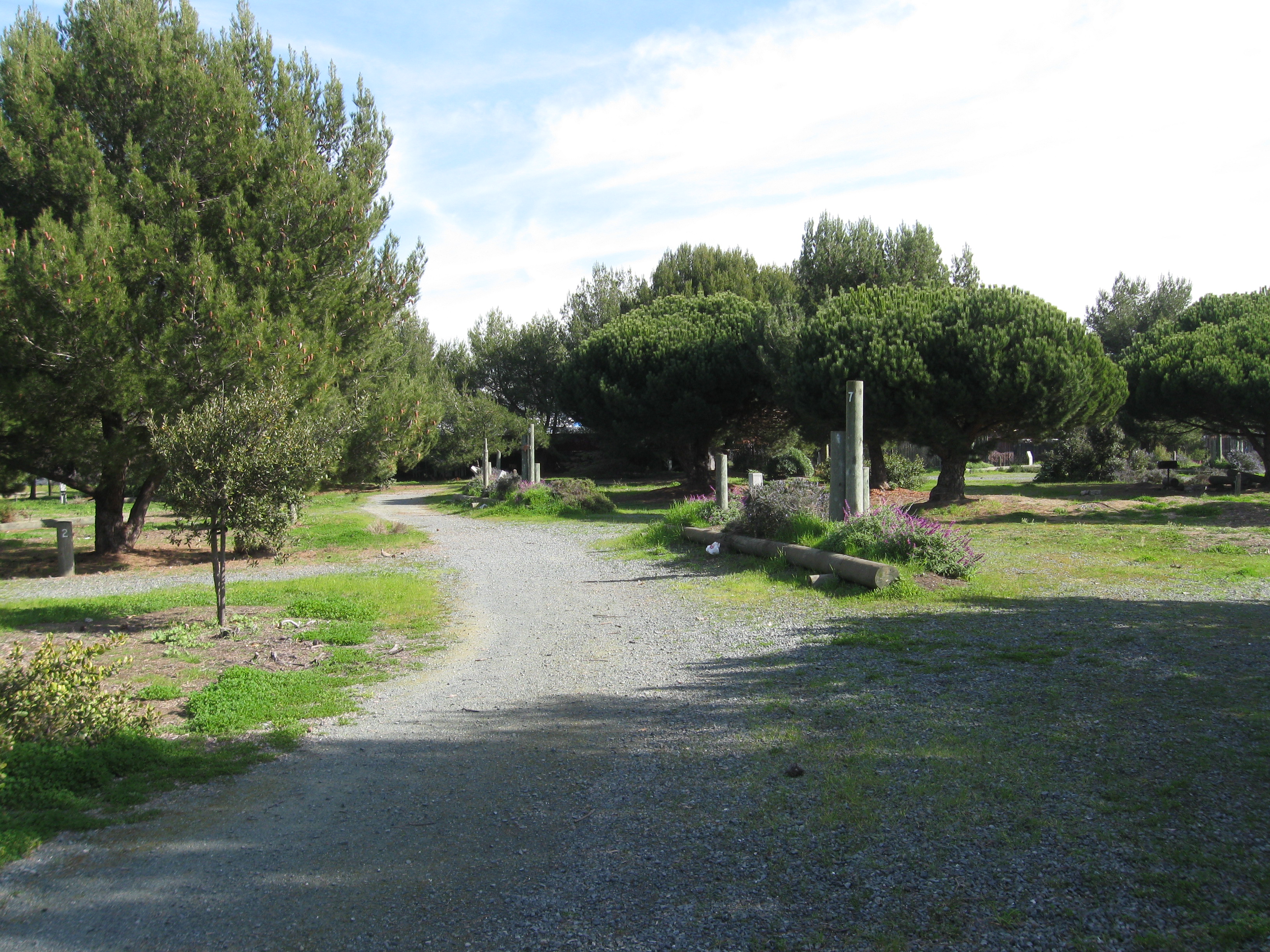
Campground at Alameda Point

A campground in Alameda?  You bet.  There’s one already here at Alameda Point!  All that’s needed is some action by city officials to reopen it.

Walking along the shoreline Bay Trail between the Encinal Boat Ramp and the USS Hornet, you can’t help but notice the mature trees and springtime flowering landscape.  But if you walk onto the grounds, you’ll also find a gravel road meandering around 23 clearly marked campsites that are perfect for walk-in tent camping.  All the infrastructure is in place, ready to be put back into service.  The secluded Breakwater Beach, a boat and kayak launching site, and athletic fields are nearby.  Typically, people are fishing.

Springtime at the campground

The campground was in full working order when the Navy base was in operation.  Since then, the park that includes the campground was renamed Enterprise Park by city officials (after the USS Enterprise, which was docked nearby), but otherwise the campground has sat dormant.  Base reuse plans call for a regional park in this location, and Navy officials say the city can authorize investment in the property now, even before official transfer of the property.

In 1996, the East Bay Regional Park District proposed that they operate the campground. The city did give them the go-ahead several years ago to invest funds in the Bay Trail, but the campground was left in limbo.

In 2009, the park district set aside $6.5 million in Measure WW bond money for creating regional recreation opportunities at Alameda Point.  A modest amount of that money could be used now to restore the campground to active use.  There’s a vacant recreation building a few feet away the park district may also want to use in its park-building efforts.  A park district representative told me recently that the district has been waiting for 15 years for the city to give them direction.

We should begin by adding this campground as a goal in the citywide park master plan currently being formulated by a consultant.  This will start the process necessary to reopen the campground.

It’s a growing concern that this property sits idle.  Recently someone (not the city or the park district) decided to “trim” the trees.  The barbecue pits have been spray painted with numbers and moved all over the place.  Graffiti is starting to appear.

Now’s the time to get the ball rolling to reopen this community and regional asset as we try to market Alameda Point.  It’s doable.  Our children and outdoor enthusiasts will thank us, and the City of Alameda will have one additional asset that makes us unique.

Originally published in the Alameda Sun.


Posted in Alameda Point, Parks and Open Space | Tagged , , , , | 8 Comments

Budget Power Pointing

Alameda’s fiscal quagmire has many people pointing fingers.  I say point up.  The money that will help solve long-term budget and pension problems is at the top of the pay scale.

In Alameda, we’ve already eliminated jobs, combined departments, and cut hours while trying to increase revenues.  Aside from ever-increasing healthcare insurance premiums, we’re left with cutting employee compensation costs.

In 2010, 461 city employees earned more as individuals than Alameda’s median “household” income of $77,868.  Many working families are up in arms over the high earnings and the out-of-line pensions they generate, as they know they work hard for a lot less.

Some are questioning the hiring model that says you need exorbitant salaries to attract and retain “competent” employees.  But it was these high-paid employees and the outside consultants hired to assist them who made the recommendations that led us down the unsustainable financial path we now find ourselves on, and who are now scrambling to find a way out.

Others question using an across-the-board percentage when giving raises or making cuts. Although it sounds fair, this is the easy way out and leaves those at the top much better off.

Collective bargaining has brought generous retirement packages and other benefits to union members.  But all working families deserve the security of a reasonable defined-benefit pension in their retirement years.  Our current pension problem comes from calculating benefits based on excessive wages and allowing retirement at an early age.

Alameda should consider two recent proposals that don’t put the burden of long-term budget balancing on new workers and that address inherent flaws in the current system. Both proposals offer a pathway to sustainability in the local budgeting process.

On February 24, the Little Hoover Commission, “a bipartisan and independent state agency charged with recommending ways to increase the efficiency and effectiveness of state programs,” issued recommendations to deal with California’s financial situation.  They recommended capping at $90,000 the amount of salary used to calculate pensions, raising the eligibility age for receiving pension benefits, requiring both employees and employers to share the costs of funding pension plans, and preventing “pension spiking” of one’s final compensation.

On March 31, Governor Brown announced a series of pension reforms he plans to pursue.  In addition to some of the Hoover Commission’s recommendations, he proposes eliminating the purchase of “airtime” (buying time without working it), calculating final compensation based only on the last 36 months of employment and the employee’s normal rate of pay (no overtime or perks), limiting post-retirement public employment, and providing a hybrid retirement benefit option.

Pointing fingers gets us nowhere, unless they are pointed to the solution.  The top is a good place to start.

Originally published in the Alameda Sun.

Posted in City Hall | Tagged , , | Comments Off on Budget Power Pointing