
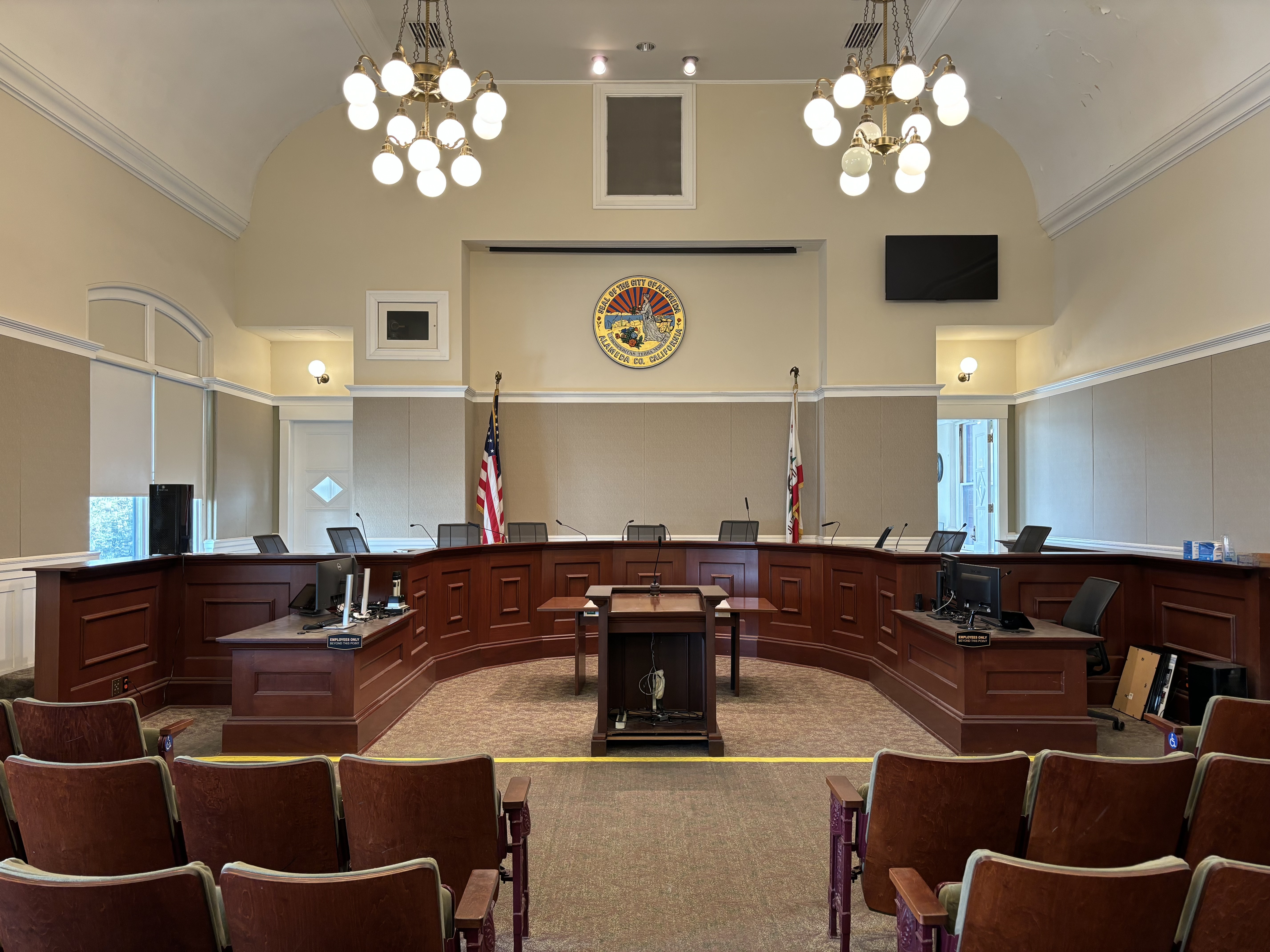
 On February 20, the city council will decide the fate of the Open Government Commission and whether there will be any meaningful oversight of the council itself.
On the table is whether to continue having the commission hear complaints about alleged violations of the Sunshine Ordinance or hire a hearing officer/attorney to do so. Whether the paid hearing officer will have any binding authority, such as making the council cure and correct a violation, is yet to be seen.
Four years ago, when the commission sustained a complaint and ordered the council to re-agendize a matter, the city council stripped the commission of its enforcement authority, making it an advisory body only.
According to the City of Alameda website, “The [Open Government] Commission’s role is to advise the City Council on appropriate ways in which to implement the Sunshine Ordinance.” The Sunshine Ordinance is a piece of legislation designed to protect open and democratic government procedures by ensuring easy access to public records as well as open meetings. The commission is tasked with the implementation and amendments of the ordinance, along with hearing any complaints.
The impetus for considering the current change is that Mayor Marilyn Ezzy Ashcraft and Councilmember Tracy Jensen, by way of referral, have asserted that a jury of peers—Alameda residents, each appointed by a councilmember—is not qualified to determine if a violation of the Sunshine Ordinance has occurred. Although three of the currently appointed commissioners are attorneys, the Mayor and Jensen, along with Councilmember Malia Vella, agree that one attorney is better suited to resolve complaints expeditiously, as complaints can sometimes be technically or legally complex.
“Coordinating the calendars of five commissioners, the complainant, and city staff is often challenging,” the city staff report states. The city estimates the change would be cost neutral or cost positive after weighing staff resources.
 At an Open Government Commission meeting on January 29, some commissioners opined that the process would be hurt by not having members of the community weigh in on complaints. They voiced concern about whether the public could trust that a hearing officer would be a neutral, unbiased arbiter while on the city’s payroll, and that the selection process of the officer would be a factor. The city clerk clarified that the city could consider hiring from a pool of independent outside attorneys that would rotate based on their availability at the time a complaint needs to be heard, the way that rent control disputes are handled.
“The only way to make the whole thing work is for the city council to give the hearing officer actual authority,” said attorney and commissioner Klinton Miyao. “Without that, it’s just adding a different layer of a funded employee who gets to recommend a decision that goes to the city council and into a black hole, which is where our work has gone,” Miyao said, pointing to the commission’s written “recommendations from three years ago that haven’t been addressed at all.” The commissioner continued, “If there is a hearing officer, my hope is that the officer has the authority to enforce the Sunshine Ordinance and the Brown Act incorporated.” Other commissioners ultimately agreed.
Remarking that moving to a hearing officer puts the commission in a precarious position, Miyao added, “I do wonder about the continued need for the commission if you have a hearing officer. Procedural things and preparing the annual report seems very administrative and maybe could be handled without needing volunteers.” Annual reports for the city council typically compile the nature and outcome of complaints and the recommendations based on those complaints and more.
Commission chair Serena Chen responded that previous annual reports with recommendations for the city council to address “were completely informed by sitting through the complaint hearings and identifying all the grey areas in our municipal code” and some administrative procedures were “cleaned up.” But anticipating the diminishing role of the commission, Chen added, “I am so very proud of the commission’s work, but I am willing to let it go.”
For the upcoming meeting, city staff has drafted two options that amend the Sunshine Ordinance by establishing a hearing officer form of complaint adjudication. Both options make the hearing officer’s role advisory only. One option eliminates the commission entirely.
The staff report does not state whether the hearing officer model will continue the practice of providing notice of complaint hearings and making them open to the public and live streamed, or whether the hearings will be heard behind closed doors.
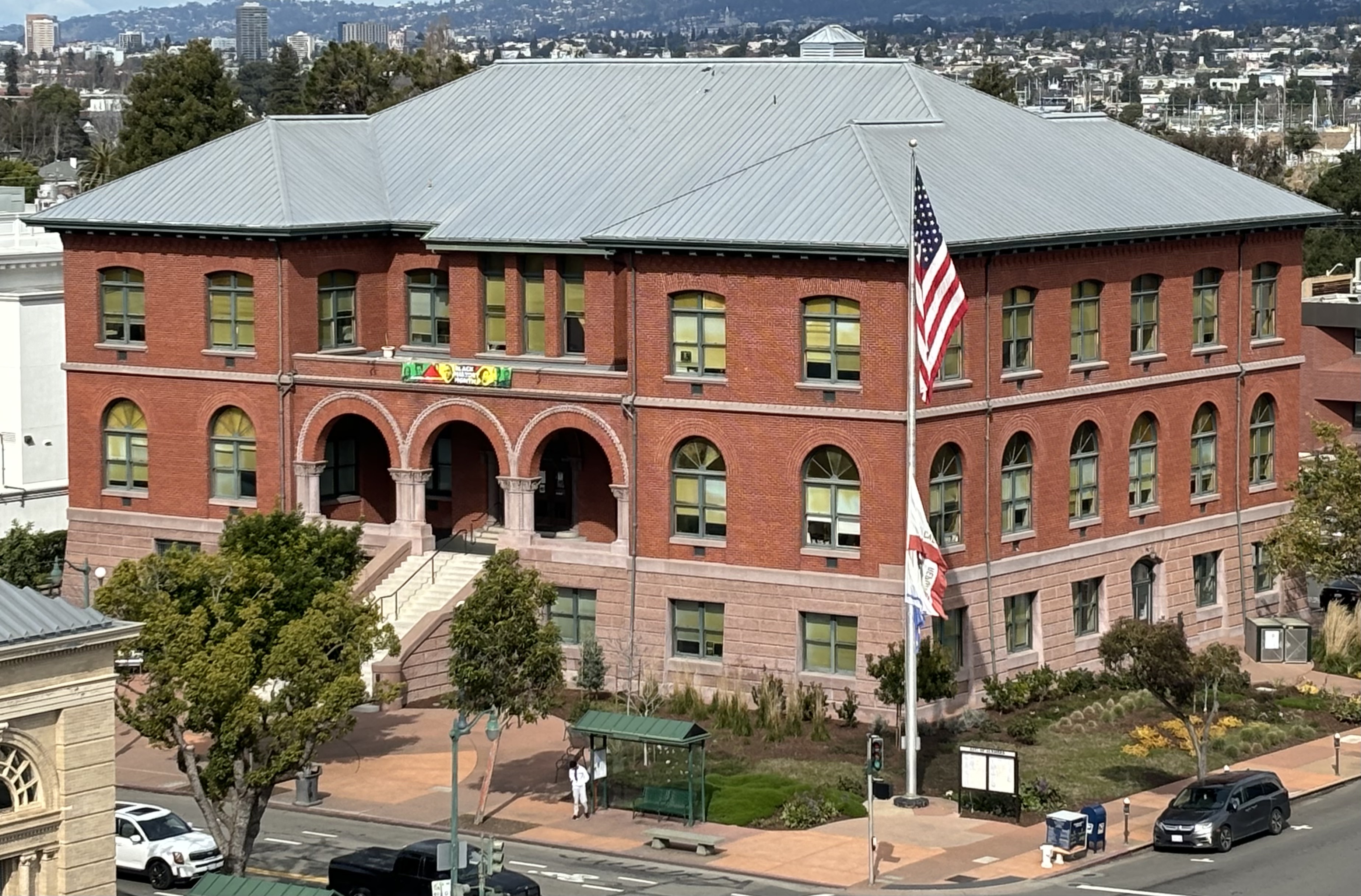
The February 20 city council meeting starts at 7 pm at city hall, 2263 Santa Clara Avenue.
Originally published in the Alameda Post

 I on Alameda